Bell Founding Traditions in the Workshops of Agnone, Molise
The Pontificia Fonderia Marinelli has operated continuously in Agnone since the eleventh century, producing bronze bells using methods that have changed little over a thousand years.
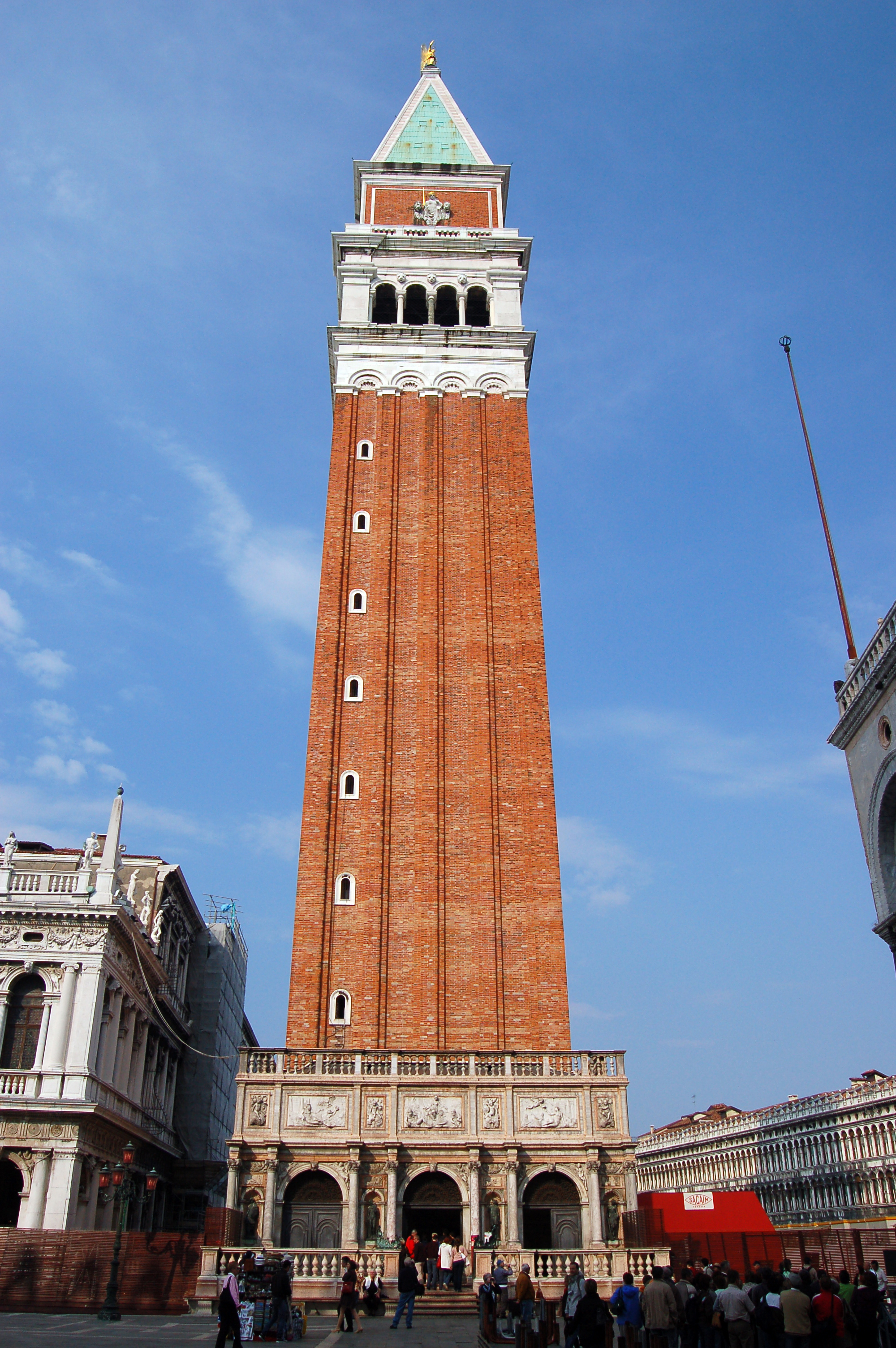
From bronze poured in the workshops of Agnone to the brickwork towers rising above Venetian rooftops — a detailed look at campanile architecture, bell casting methods, and the communities that have kept these practices alive for centuries.
Latest Articles
The Pontificia Fonderia Marinelli has operated continuously in Agnone since the eleventh century, producing bronze bells using methods that have changed little over a thousand years.
From the cylindrical brick towers of Ravenna to the slender shafts of Venice and the marble-clad campanili of Florence, regional building traditions shaped bell towers across very different ways.
In the parishes of Lombardy, Veneto, and Piedmont, coordinated bell ringing known as distesa and scampanio follows patterns passed down through informal apprenticeships within individual towers.
The Agnone foundry tradition predates most European cathedrals. Bronze composition, mold construction, and tuning techniques refined over forty generations remain the benchmark for Italian bell production today.
Read the full recordKey Themes
Florentine Campanili
Giotto's bell tower set a standard for marble-clad, polychrome campanile design that influenced Tuscan church architecture for two centuries after its completion in 1359.
Bronze Composition
Traditional Italian bell bronze uses approximately 78% copper and 22% tin. Adjustments to this ratio within narrow tolerances alter the tone, sustain, and fundamental pitch of the finished bell.
Venetian Towers
Venice's campanili are structurally distinct from those on the mainland — built on dense timber piling foundations and often tilting slightly over centuries as the underlying sediment shifts.
The gap between how Lombard parishes ring their bells and how the same act is performed in Sicilian towns reflects distinct regional liturgical calendars, tower configurations, and bell sizes rather than a unified national tradition.
Campanile ArchitectureContact
For corrections, source suggestions, or general questions about the material covered on this site.